Designing the Perfect Custom Produce Boxes: A Progressive Guide
Developing custom produce boxes needs a strategic approach. Specialists must evaluate sustainability, practicality, and visual appeal. Picking the suitable materials is crucial for maintaining freshness and supporting environmentally conscious practices. Additionally, dimensions and configuration can significantly influence usability and shipping efficiency. Effective visual elements enhance company identity, while thorough testing guarantees strength. Understanding these components will uncover vital insights into creating standout packaging solutions that appeal to customers. What comes next is essential to accomplishing those goals.
Choosing the Right Components for Custom Produce Boxes
When evaluating materials for custom produce boxes, it is crucial to review both functionality and eco-friendliness. The selection of material significantly determines the box's durability, weight, and ability to protect the contents. Common materials feature corrugated cardboard, which delivers strength and is environmentally recyclable, making it a favored choice for eco-conscious businesses. Compostable options, such as molded pulp or plant-based plastics, also promote green practices while delivering adequate protection for delicate produce.
Moreover, dampness protection is necessary for keeping quality consistent, driving some producers to investigate treated materials or specialized coatings. The aesthetic appeal of the box cannot be dismissed, since brand positioning and graphical elements can shape consumer perception. Ultimately, the best option should balance between protecting the produce, engaging consumers, and meeting ecological requirements, confirming that performance and sustainable practices are emphasized within the development procedure.
How to Identify the Right Size and Shape for Practical Application?
When deciding on the form and dimensions of custom produce boxes, careful assessment of produce measurements is crucial for proper storage. Additionally, attention to handling and transport can impact the box design, guaranteeing ease of movement. Optimizing shelf space usage further enhances functionality, enabling efficient display and storage.
Examine Produce Dimensions Thoroughly
Picking the ideal proportions and form for produce boxes is required for efficiency and effectiveness. Detailed assessment of item dimensions is paramount, as it confirms that items fit securely without excess room that might cause damage during transport or warehousing. Custom-designed containers need to accommodate diverse configurations, from delicate berries to substantial vegetables, while upholding structural integrity. Moreover, the vertical and horizontal measurements of the boxes should facilitate stacking and systematic arrangement, utilizing space in warehouse zones. A well-engineered container not only protects the produce but also enhances visual appeal for purchasers. In conclusion, careful consideration of dimensions contributes to curtailing losses and improving consumer satisfaction in the distribution chain.
Think About Handling and Transport
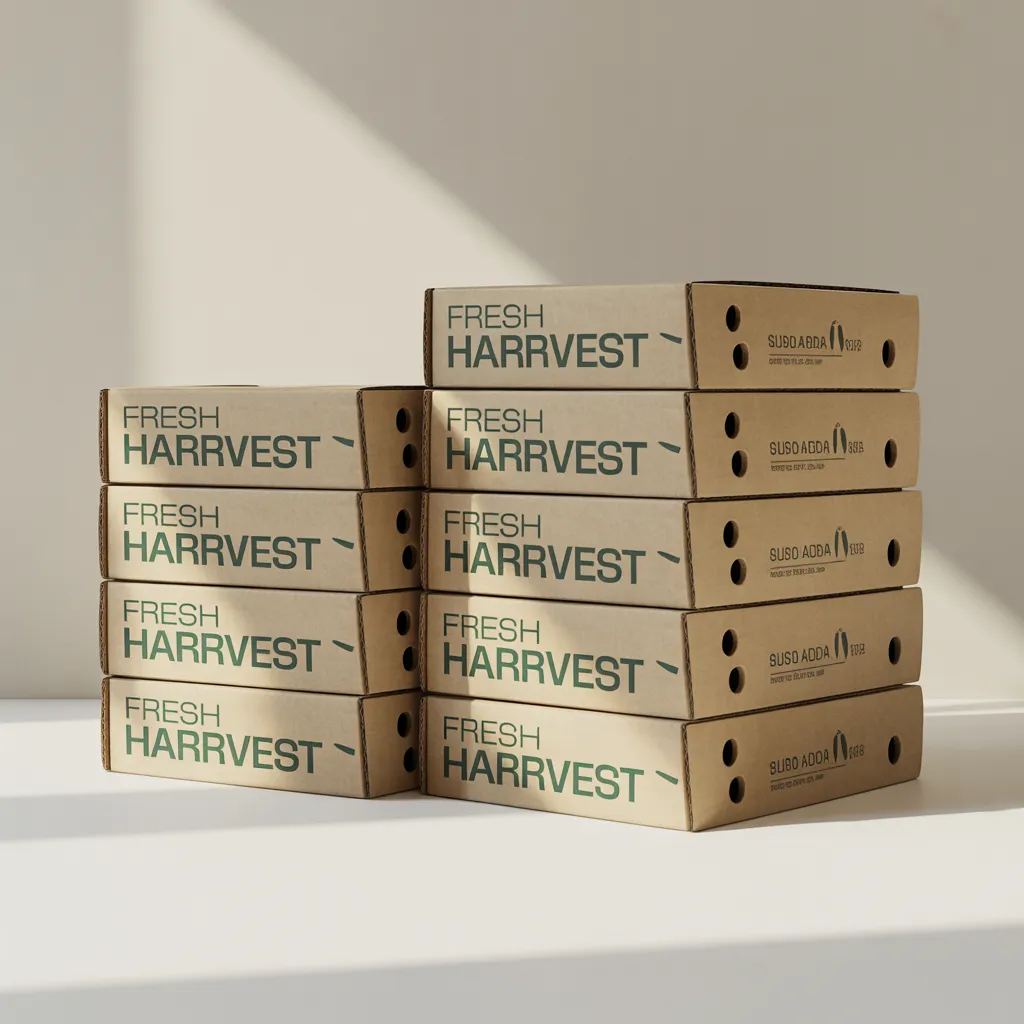
Handling and transport considerations play a considerable function in determining the appropriate size and shape of tailored agricultural packaging. The proportions should fit the items lacking surplus room, this could lead to shifting and damage throughout transit. Compact boxes facilitate easier care, while larger boxes could become vital when handling bulkier items. Additionally, proper ergonomics is critical; grip areas and openings must be positioned strategically situated so as to provide comfortable lifting and carrying. The shape of the packaging also affects nesting along with balance, confirming that items keep secure. In conclusion, careful consideration of these considerations boosts the streamlining in shipping, minimizes goods loss, and preserves the comprehensive quality concerning the agricultural goods from orchard to purchaser.
Optimize Storage Space Usage
Maximizing shelf space usage depends on picking the correct size and shape of specialized produce boxes. Planners should evaluate the dimensions of the shelving units as well as the categories of produce being placed. Straight-edged boxes often enhance space efficiency, permitting for more straightforward organization and positioning. Alternatively, non-standard forms can boost design appeal but may create unused space if not properly structured.
It's crucial to assess the inventory turnover rate; faster-moving items might gain advantages with compact, readily reachable containers. Additionally, incorporating flexible or customizable structures can support varying sizes of produce while optimizing shelf organization. By prioritizing functionality along with aesthetics, businesses can develop a functional and attractive presentation that boosts both accessibility and product visibility.
How to Design Graphics That Grab Interest?
Compelling artwork can transform a simple custom produce box into a beautiful showcase that attracts notice. To reach this, visual artists should commence by picking a color palette that conveys the freshness and brightness of the produce. Luminous, captivating colors can evoke impressions of freshness and health, motivating consumers to take a closer look.
Bold typefaces is also essential; readable typefaces can properly convey essential information while strengthening aesthetic charm. Additionally, leveraging high-quality images of the produce can create an immediate connection, presenting the item's superiority and motivating prospective clients.
Furthermore, incorporating unique patterns or illustrations can help set apart the brand in a crowded market. Alignment in graphic components, such as logos and taglines, solidifies brand identity. Ultimately, a blend of creativity and clarity in graphic design can greatly lift the impact of custom produce boxes, making them stand out on shelves.
Eco-Friendly Practices for Custom Produce Box Packaging Solutions
An growing number of organizations are introducing eco-friendly practices for custom produce box packaging, acknowledging its importance in today's green-minded market. These practices often include the use of biodegradable materials, such as recycled paper and plant-based plastics, which lessen environmental impact. Companies are also focusing on responsible procurement, confirming that materials are obtained from responsibly managed forests or suppliers who champion environmental stewardship.
Furthermore, numerous brands are opting for minimalist styles that reduce waste while still effectively promoting their products. This approach not only appeals to eco-aware consumers but also helps in reducing production costs. Moreover, businesses are progressively applying effective manufacturing processes that minimize energy consumption and waste generation. By integrating these sustainable practices, companies not only boost their brand image but also contribute positively to the planet, positioning their operations with a sustainable future.
Verify Your Made-to-Order Produce Box Design
Evaluating the structure of specialized fruit containers is a vital stage in verifying they meet both visual and functional specifications. This process generally involves reviewing aspects like durability, scale, and ease of use. First, test versions need to be created to test the box's structural integrity, ensuring it can withstand delivery and storage without compromising the contents.
Afterwards, usability reviews can be done to figure out how readily the boxes can be accessed, closed, and stacked. Feedback from likely users can be invaluable in this juncture, revealing viewpoints into the box's practical application.
Additionally, the visual impact of the design should be tested through focus groups or surveys, gauging consumer feedback to branding elements, color palettes, and overall presentation.
In the end, rigorous testing permits designers to improve the box, guaranteeing it not only appeals to customers but also adequately protects and showcases the produce within, striking the right balance between form and function.
Showcasing Your Bespoke Produce Boxes Successfully
Successful marketing of personalized vegetable containers demands a well-planned strategy that emphasizes their distinctive advantages and value. Businesses should focus on identifying their target audience, such as local farms, grocery stores, or make a move individual consumers. Leveraging social networking sites can boost brand awareness, displaying the boxes' appearance and functionality through engaging visuals and storytelling.
Moreover, partnering with local influencers or farmers can enhance credibility and expand audience. Offering promotions or discounts during seasonal peaks can draw initial buyers and promote repeat business.
Moreover, emphasizing environmental consciousness and green initiatives in marketing materials can connect with eco-minded customers. Supplying thorough details about the materials used and the benefits of custom packaging can help differentiate the product in an increasingly competitive landscape.
In the end, a detailed promotional strategy that combines online and community-based programs will efficiently advance custom produce boxes, attracting a mixed clientele and boosting sales.
Frequently Requested Questions
What Are the Expenses Associated With Custom Produce Box Design?
Charges regarding custom produce box design comprise materials needed, printing, labor, and shipping. Also, design consultation and order thresholds can modify overall expenses, bringing about varying prices based on individual specifications and production size.
How long Does It Take to Create Custom Boxes?
Crafting customized boxes usually takes two to six weeks. Factors that influence this timeline include intricacy of design, availability of materials, and production capability, each of which might impact delivery schedules and processing times.
May I Purchase a Compact Shipment of Made-to-Order Produce Boxes?
Yes, small quantities of tailored vegetable containers can generally be purchased. Many suppliers offer base order requirements, allowing companies or people to obtain tailored packaging solutions without needing to commit to substantial volumes initially.
What Are Typical Mistakes to Avoid in Custom Box Layout?
Typical pitfalls in custom box design involve neglecting functionality, ignoring brand consistency, underestimating material quality, not taking into account target audience preferences, and neglecting environmental impact. Each aspect is essential for successful packaging and customer satisfaction.
How Can I Make Sure My Boxes Are Food-Safe?
To ensure boxes are food-safe, one must choose materials approved for food contact, avoid harmful inks and adhesives, keep cleanliness during production, and regularly test for compliance with health regulations and safety standards.